
Cuban Cuisine and Drinks: The Heartbeat of Little Havana
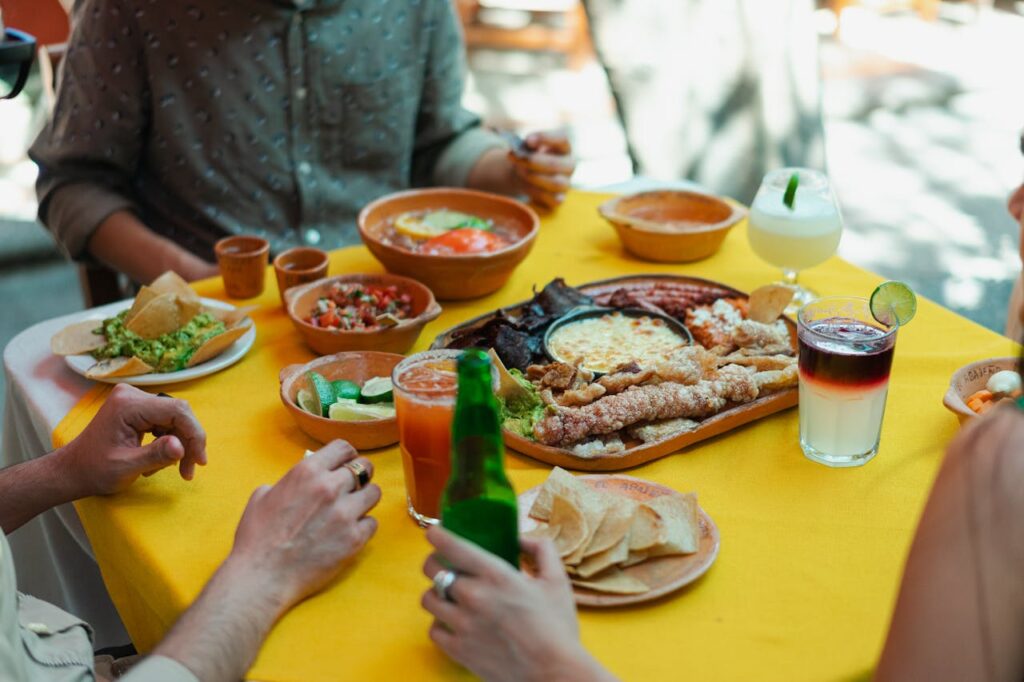
Little Havana is more than a neighborhood—it’s a living, breathing celebration of Cuban culture, and nowhere is that more evident than in its food and drink. To truly understand Little Havana, you must taste it, sip it, and savor the stories behind every recipe and ritual.
A Culinary Tradition Rooted in Family and History
Cuban cuisine in Little Havana is a tapestry woven from generations of family recipes and the ingenuity of a community in exile. Many local restaurants are family-run, with recipes that trace back to grandmothers’ kitchens in Havana and Santiago. Whether it’s the slow-cooked ropa vieja or the perfectly pressed Cuban sandwich, every dish tells a story of resilience and adaptation.
Take, for example, the pastelito—a flaky pastry often filled with guava and cheese. In Little Havana, you might hear a bakery owner recount how their abuela taught them to make pastelitos as a way to keep memories of home alive. These pastries, along with croquetas and empanadas, are more than snacks; they’re edible links to heritage.
Signature Dishes and Where to Find Them
While iconic spots like Versailles and Sanguich de Miami draw crowds for their classic Cuban sandwiches and palomilla steaks, Little Havana’s culinary landscape is filled with hidden gems. Seek out small cafeterias where the lechón (roast pork) is marinated for hours, or pop into a local fruteria for a pan con minuta—fried snapper on a fresh Cuban roll.

Don’t miss out on the sweet side of Cuban cuisine. Azucar Ice Cream Company crafts inventive flavors inspired by tropical fruits and local traditions, while neighborhood bakeries serve pastelitos and flan that rival any in Miami.
The Ritual of Cuban Coffee
Coffee in Little Havana is more than a morning pick-me-up—it’s a social ritual, a gesture of hospitality, and a symbol of community. At ventanitas (walk-up windows) like La Colada Gourmet or El Pub, you’ll find locals sharing a colada—sweet, potent Cuban espresso poured into tiny cups and passed around among friends and strangers alike.

Understanding the etiquette is part of the experience: don’t order a large cup, and don’t be surprised if a stranger offers you a sip. Pair your cafecito with a pastelito or a trio of croquetas for the full local effect.
Cocktails, Batidos, and More
Cuban drinks are as vibrant as the neighborhood itself. Mojitos and daiquiris are staples at bars like Old’s Havana and Café La Trova, where bartenders blend tradition with creative twists. For something nonalcoholic, try a batido—a fruit shake made with mango, mamey, or papaya—or sample guarapo, fresh-pressed sugar cane juice, at a local juice stand.

These drinks are more than refreshments; they’re part of the rhythm of daily life, enjoyed at celebrations and casual gatherings alike.
Modern Twists and Hidden Gems
Little Havana’s food scene isn’t frozen in time. Newcomers and second-generation chefs are reimagining classic recipes, offering vegetarian or gluten-free takes on traditional dishes and fusing Cuban flavors with global influences. Small, lesser-known eateries often lead this quiet revolution—seek them out for a taste of both authenticity and innovation.
Seasonal Flavors and Specialties
Certain treats are tied to Cuban holidays and festivals—look for turrones (nougat candies) around Christmas, or special pastries during Carnival. Time your visit to coincide with these culinary celebrations for a truly immersive experience.
A Living Culinary Legacy
To eat and drink in Little Havana is to participate in a living tradition—one that honors the past while embracing the future. Support family-owned establishments, try something new, and take the time to learn the stories behind each dish. Whether you’re sipping a cafecito at a bustling ventanita or sharing a plate of lechón with new friends, you’re not just tasting Cuban cuisine—you’re becoming part of its ongoing story.
Cuban Culture and Daily Life in Little Havana: Living Tradition, Evolving Community
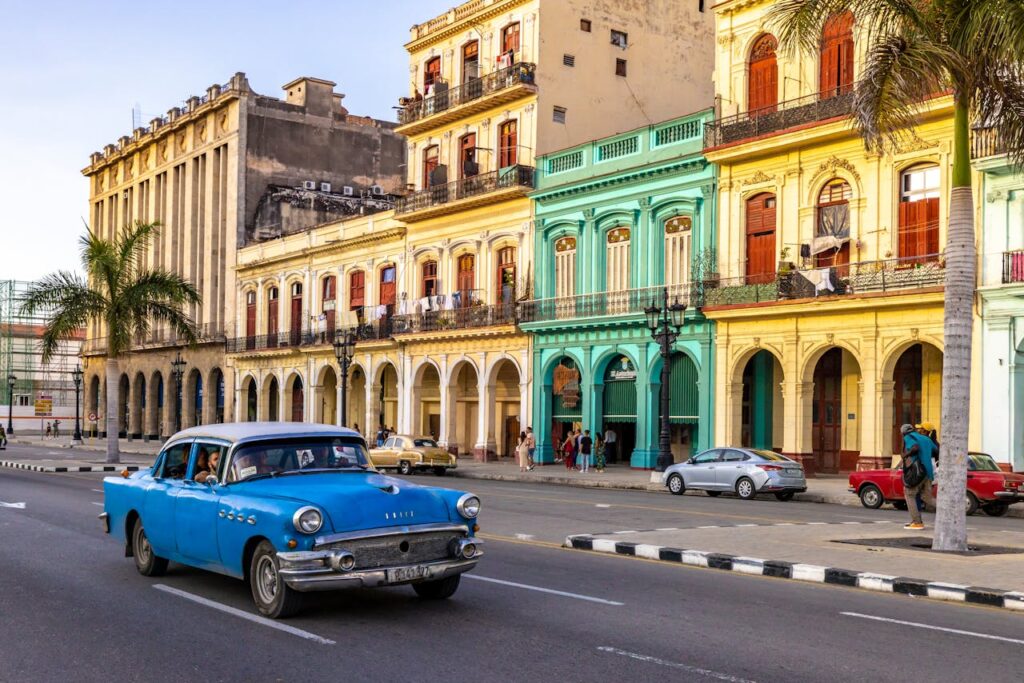
Little Havana isn’t just a neighborhood—it’s a living canvas where Cuban culture is practiced, preserved, and constantly reinvented. While the domino games, cigar shops, and salsa rhythms are iconic, the true heart of Little Havana lies in the daily rituals and evolving stories that shape its streets. This isn’t a museum of nostalgia; it’s a vibrant, intergenerational community where tradition and innovation meet.
Culture in Motion: The Pulse of Daily Life
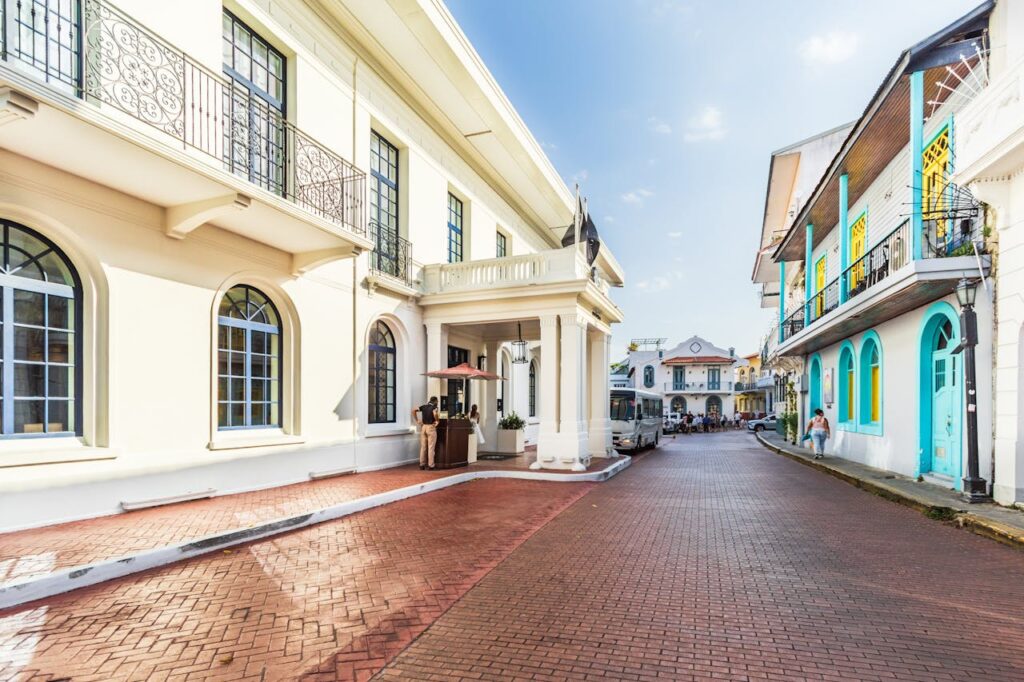
Walk down Calle Ocho and you’ll sense more than just the rhythms of salsa or the aroma of cafecito. You’ll witness a choreography of daily interactions—neighbors greeting each other in rapid-fire Spanish, children weaving between tables at Domino Park, elders slapping down domino tiles with practiced flair. These aren’t mere performances for visitors; they’re the living threads of community, woven by generations.
The Social Rituals That Bind
In Little Havana, social etiquette is as important as the rituals themselves. At Máximo Gómez Park, joining a domino game isn’t just about knowing the rules—it’s about understanding the camaraderie and respect that govern the table. Observing, listening, and waiting for an invitation are part of the unwritten code. The same is true at cigar shops, where approaching a master roller is an act of reverence for their craft, and sharing a cafecito at a ventanita is an invitation to conversation and connection.
Tradition Across Generations
What sets Little Havana apart is the seamless exchange between generations. Grandparents teach grandchildren the art of domino strategy or the subtleties of rolling a perfect cigar. Family businesses—cafes, bakeries, music shops—are handed down and adapted, blending old-world techniques with new ideas. Women play a crucial role here, not only as keepers of tradition but as entrepreneurs, artists, and community organizers, ensuring that Cuban culture remains dynamic and inclusive.
Modern Twists and Creative Energy
While tradition is honored, Little Havana’s culture is far from static. Younger generations remix Cuban music with global influences, organize contemporary dance events, and use street art to tell new stories. Cafecito rituals now unfold alongside digital meetups and social media shoutouts, showing that Cuban identity is both rooted and responsive to change.
The Language of Identity
Language is the glue of daily life. Cuban idioms, jokes, and oral histories flow through conversations in parks, cafes, and street corners. Storytelling—whether through music, poetry, or casual banter—keeps memories alive and forges new bonds. It’s here, in the laughter and debates, that culture is most vividly alive.
Beyond Stereotypes: The Real Little Havana
To truly experience Little Havana, look beyond the postcard images. Notice the textures—the cool feel of domino tiles, the scent of hand-rolled tobacco, the warmth of a shared coffee. Listen for the stories: the recent immigrant finding community, the young artist redefining tradition, the matriarch guiding her family’s future. These details reveal a community that is complex, resilient, and always evolving.
A Living Vision for the Future
Little Havana’s daily life is a testament to cultural resilience and creative adaptation. As new waves of immigrants arrive and younger generations shape their own identities, the neighborhood remains a beacon of Cuban heritage—open to change, yet deeply rooted. Its story is a universal one: how communities can honor their past while embracing the future, offering lessons in belonging, adaptation, and the enduring power of culture.
Little Havana’s Landmarks: Living Symbols of Cultural Resilience
Little Havana is more than a neighborhood; it’s a living testament to the power of place in preserving, shaping, and reinventing cultural identity. Its iconic landmarks—Calle Ocho, the Walk of Fame, the Tower Theater, and more—are not simply tourist attractions, but dynamic agents of heritage, memory, and community pride.
Calle Ocho: The Beating Heart of a Community
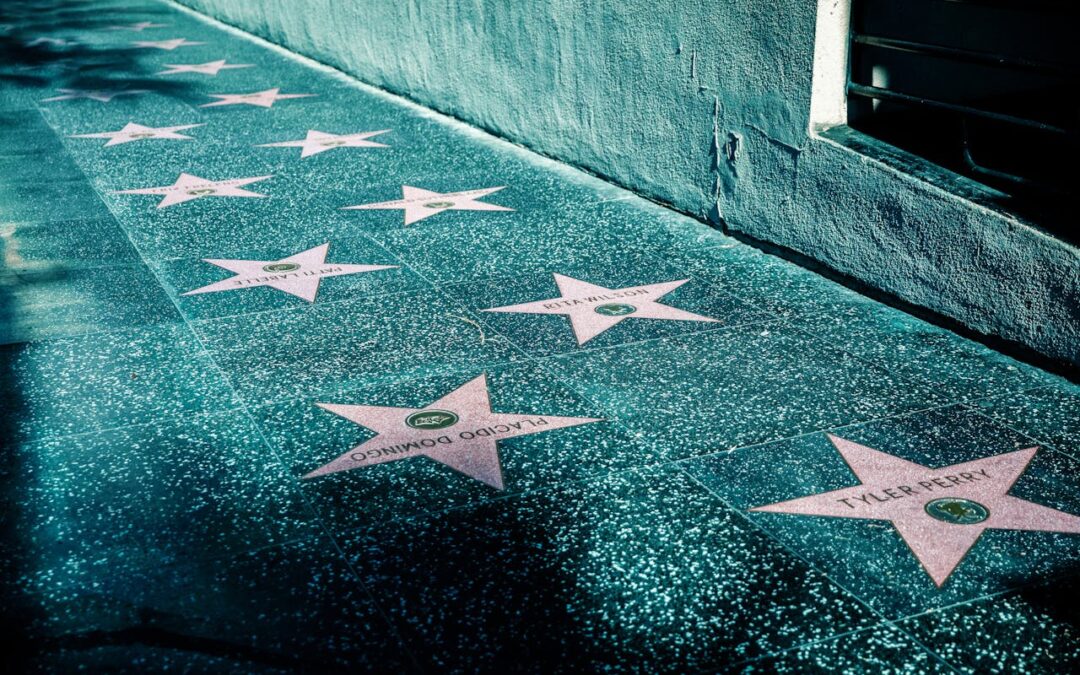
Calle Ocho is the vibrant artery of Little Havana. More than just a street, it’s a stage where the past and present intersect daily. Here, the pink marble stars of the Walk of Fame honor Latin luminaries, while murals and public art celebrate both Cuban icons and everyday heroes. But Calle Ocho’s true significance goes beyond its physical features: it’s where generations gather, stories are shared, and the Cuban spirit is renewed with every festival, protest, or casual stroll.
The Walk of Fame: Honoring Heritage, Inspiring the Future
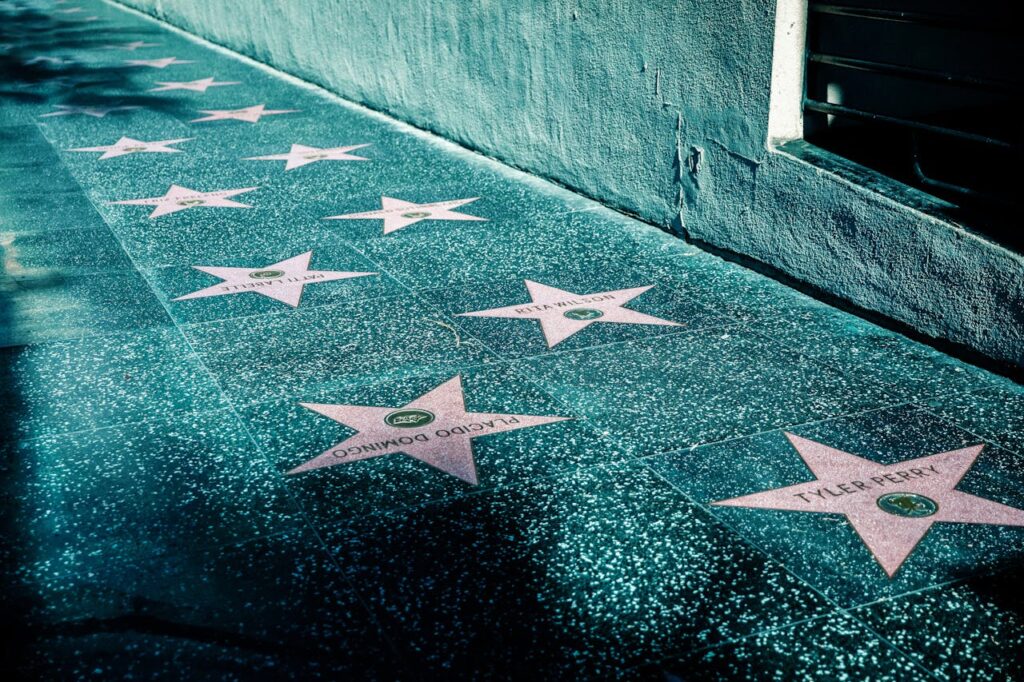
Spanning several blocks along Calle Ocho, the Walk of Fame is Little Havana’s answer to Hollywood’s famous boulevard. Each embedded star is a tribute not only to celebrated musicians, actors, and leaders, but also to the enduring resilience of the Cuban and Latin American communities. The Walk of Fame is a living archive—growing and evolving as new voices and stories emerge.
Tower Theater: Where Stories Bridge Generations
The Tower Theater stands as a cultural cornerstone. Its historic marquee has welcomed audiences for nearly a century, serving as a gathering place for Cuban exiles, film lovers, and local families alike. More than a venue, the theater is a bridge between generations—screening Latin cinema, hosting community forums, and providing a space where cultural dialogue flourishes. Its legacy is not just in preservation, but in adaptation, reflecting the ever-changing face of Little Havana.
Domino Park and Cuban Memorial Plaza: Everyday Rituals and Remembrance
Maximo Gomez Park, affectionately known as Domino Park, is where the rhythms of daily life play out. Here, locals engage in spirited domino games, passing down traditions and wisdom in a space that feels both public and intimate. Nearby, the Cuban Memorial Plaza anchors the neighborhood in remembrance, with monuments and an eternal flame honoring those who fought for freedom. These spaces are more than landmarks—they are living rooms and sanctuaries, sustaining the community’s collective memory.
Landmarks as Living Agents of Change
What sets Little Havana’s landmarks apart is their ongoing evolution. Restoration projects, new public art installations, and community-led events ensure these sites remain relevant for new generations. As the neighborhood welcomes immigrants from across Latin America and adapts to Miami’s rapid change, its landmarks become sites of negotiation—where identity is debated, redefined, and celebrated.
A Model for Cultural Preservation
Little Havana’s approach to honoring its landmarks offers lessons far beyond Miami. In a world where neighborhoods change rapidly, these sites demonstrate how physical spaces can anchor cultural memory and foster resilience. The ongoing stewardship of these attractions—by residents, artists, and local leaders—ensures that Little Havana’s story remains dynamic and inclusive.
Looking Forward: Questions for the Future
As Little Havana continues to evolve, so too will its landmarks. Will the next generation see them as static symbols, or as adaptable spaces reflecting new identities and dreams? How can the community balance preservation with innovation, ensuring that these sites remain meaningful for all who call Little Havana home?
Visiting with Purpose
For visitors, exploring Little Havana’s landmarks is an invitation to witness living history. Go beyond sightseeing: ask questions, engage with locals, and reflect on the deeper stories each site holds. In doing so, you become part of the ongoing narrative—helping to sustain the spirit of a neighborhood where culture is not just remembered, but lived, every day.
Little Havana’s Landmarks: Living Narratives at the Heart of Miami
Little Havana is more than a collection of colorful streets and celebrated attractions—it’s a living, breathing narrative shaped by generations of resilience, creativity, and community action. While Calle Ocho, the Walk of Fame, the Tower Theater, and Domino Park are often highlighted as must-see stops, their true significance runs far deeper than their photogenic facades.
Landmarks as Anchors of Memory and Identity
Each landmark in Little Havana is a vessel of memory and identity for the Cuban diaspora and Miami’s broader Latin community. The pink marble stars on the Calle Ocho Walk of Fame are not just tributes to celebrities, but reminders of the dreams carried across the Florida Straits—stories of music, struggle, and triumph that echo in every sidewalk square. The Tower Theater isn’t merely an architectural gem; it’s a gathering place where generations have come to see their stories reflected on screen, bridging language barriers and cultural divides.
Domino Park (Máximo Gómez Park) is more than a spot for a quick photo or casual observation. For many locals, it’s the beating heart of daily life—a place where friendships are forged over dominoes, and where the clack of tiles is a comforting soundtrack to decades of change. These spaces are living testaments to the power of community, memory, and cultural pride.
Beyond the Guidebook: Hidden and Evolving Landmarks
Look past the major attractions, and you’ll find a tapestry of smaller landmarks that quietly shape Little Havana’s identity. Modest shrines, historic homes, and neighborhood churches serve as cultural anchors, often overlooked but deeply cherished by residents. These places tell the quieter stories of migration, adaptation, and hope—reminders that Little Havana’s spirit thrives in both grand gestures and humble corners.
Yet, these landmarks are not frozen in time. Community-led efforts to restore murals, preserve historic theaters, and maintain public spaces are ongoing. As Miami evolves, so too do its cultural touchstones, reflecting both the challenges and triumphs of a neighborhood determined to hold onto its soul.
The Power of Local Voices
What truly sets Little Havana’s landmarks apart is the community’s fierce sense of ownership. Residents, artists, and business owners act as stewards, ensuring these sites remain vibrant for future generations. Listen to the stories of a local artist whose mural graces a Calle Ocho wall, or a café owner whose family has gathered for decades at Domino Park. These voices reveal the living heartbeat of the neighborhood—one that can’t be captured by a simple checklist of attractions.
Landmarks in a Changing City: Reflection and Responsibility
In a city marked by rapid development and shifting demographics, Little Havana’s landmarks stand as both beacons and battlegrounds. The pressures of gentrification and mass tourism pose real challenges, making preservation a community-wide responsibility. Visitors are invited not just to observe, but to engage—support local initiatives, attend community events, and approach each site with respect for its history and its people.
Connecting Local Stories to Global Conversations
Little Havana’s journey is emblematic of immigrant neighborhoods everywhere: how do you preserve cultural heritage amid constant change? By viewing its landmarks as active participants in this ongoing story—not just relics of the past—you join a broader conversation about the role of place in shaping identity, fostering resilience, and building bridges across cultures.
Visiting with Purpose
As you explore Little Havana, let its landmarks guide you into deeper understanding. Take time to listen, learn, and reflect—not only on what these sites have meant, but on what they continue to mean for a community that refuses to let its story fade. In doing so, you become more than a visitor; you become part of Little Havana’s living narrative.
Festivals and Nightlife: Experience Little Havana After Dark Like an Insider
Little Havana’s festivals and nightlife aren’t just events—they’re living expressions of a community that pulses with creativity, resilience, and joy. To truly understand this neighborhood, you need to experience its after-dark energy, where tradition and innovation meet on every corner.
A Kaleidoscope of Festivals: More Than Calle Ocho
The Calle Ocho Festival is the crown jewel of Little Havana’s events calendar, transforming 23 city blocks each March into a vibrant celebration of Latin music, dance, and unity. But what most guides miss are the strategies for making the most of this iconic event. Arrive early to catch the neighborhood waking up, chat with local vendors before crowds swell, and seek out side stages where emerging artists often steal the show. For a deeper dive, connect with festival organizers ahead of time—many welcome volunteers, offering a behind-the-scenes look at what it takes to orchestrate this massive street party.
Beyond Calle Ocho, don’t overlook monthly happenings like Viernes Culturales (Cultural Fridays). On the third Friday of each month, Calle Ocho closes to traffic and transforms into an open-air gallery and street party. Locals recommend starting at the western end, where smaller crowds mean more time to interact with artists and musicians. These recurring events offer visitors a chance to experience the neighborhood’s creative spirit year-round.
Nightlife: Where Heritage and Innovation Collide
While legendary venues like Ball & Chain and Cubaocho Museum & Performing Arts Center headline most guides, Little Havana’s nightlife scene is always evolving. In addition to salsa nights and live jazz, seek out up-and-coming lounges tucked away on side streets, where fusion bands blend Afro-Cuban rhythms with hip-hop or electronic beats. Ask locals about pop-up events or themed nights—these smaller gatherings are where you’ll find the next generation of Little Havana’s cultural leaders.
Want to do more than watch? Many venues offer free or low-cost salsa lessons before the night heats up. Don’t be shy—joining a dance circle or open-mic session is one of the fastest ways to break the ice and connect with the community.
Seasonal Surprises and Special Nights
Little Havana’s nightlife adapts with the seasons. During holidays like New Year’s Eve or Carnaval, expect street parades, extended club hours, and spontaneous block parties. Local venues often host themed nights—think poetry slams, LGBTQ+ celebrations, or cultural fusion fiestas—that showcase the neighborhood’s diversity and creative energy. Check community bulletin boards or social media for the latest schedule, as these events are often grassroots and word-of-mouth.
A Community-First Approach: Responsible Nightlife
Thoughtful visitors can help sustain Little Havana’s vibrant scene. Support independent venues, tip musicians and dancers, and consider walking or using public transit to reduce your impact. Many festivals and clubs now promote eco-friendly practices and inclusivity—look for events that highlight accessibility or community outreach, and don’t hesitate to ask staff how you can contribute.
Local Voices: The Heartbeat of the Night
What truly sets Little Havana apart is its people. From bartenders who share stories of old Havana to artists painting murals live during festivals, every night out is a chance to connect. Strike up a conversation, ask about the history behind a song or a dance, and you’ll leave with more than just memories—you’ll gain a deeper appreciation for a neighborhood that’s always in motion, always inviting, and always unforgettable.
Guided Tours and Visitor Experiences: Elevating Your Exploration of Little Havana
Little Havana isn’t just a neighborhood—it’s a living, breathing mosaic of stories, flavors, and traditions. While wandering its colorful streets is a treat, guided tours and curated visitor experiences offer a deeper, more meaningful way to connect with its heart and soul. Here’s how to make the most of your visit—and why thoughtful, community-centered tours are shaping the future of exploration in Little Havana.
The Power of Expert-Led Exploration
Guided tours in Little Havana have transformed from simple sightseeing strolls into immersive, story-driven journeys. Today’s best tours are led by local experts who don’t just point out landmarks—they reveal the hidden stories behind murals, introduce you to neighborhood personalities, and offer a window into the daily life and resilience of the community. Whether you join a group walk, a private experience, or a themed outing focused on art or history, these tours turn a visit into an education.
Customization, Technology, and Accessibility
Modern visitor experiences are increasingly personalized. Many tour operators now offer private or custom tours, allowing you to focus on your interests—be it architecture, family-friendly fun, or a deep dive into local history. Some tours incorporate technology, like audio guides or mobile apps, to enrich your understanding with interactive content. Accessibility is also improving, with options for families, people with disabilities, and tours in multiple languages, ensuring everyone can enjoy Little Havana’s magic.
Community-Centered, Responsible Tourism
Choosing the right tour isn’t just about convenience—it’s about impact. The most rewarding experiences are those that support local businesses, respect residents, and celebrate the neighborhood’s diversity. Look for tours that prioritize ethical practices: employing local guides, partnering with independent shops and artists, and educating visitors about how to be respectful guests. By doing so, you help sustain the vibrant culture that makes Little Havana unique.
Behind the Scenes: The Making of a Tour
Ever wonder how these tours come together? Many are crafted in collaboration with longtime residents, artists, and historians who help shape the stories and routes. Some operators regularly update their itineraries to reflect neighborhood changes or highlight new voices, ensuring tours remain fresh and authentic. This behind-the-scenes dedication is what elevates a good tour to a truly memorable experience.
Elevating the Standard: What Makes a Great Tour?
As a visitor, you deserve more than just a checklist of stops. Seek out tours that:
- Feature guides with deep local knowledge and a passion for storytelling
- Offer opportunities for genuine interaction with community members
- Adapt to your interests and needs
- Support local businesses and artists
- Encourage feedback and continuous improvement
By setting high expectations, you help raise the bar for all visitor experiences in Little Havana.
Seasonal and Exclusive Experiences
For those looking for something extra special, keep an eye out for limited-edition tours offered during festivals or holidays. These experiences often provide unique access—like behind-the-scenes looks at event preparations or exclusive tastings—not available year-round.
Your Role in Shaping Little Havana’s Future
Thoughtful exploration is a two-way street. Share your feedback with tour operators, celebrate guides who go above and beyond, and support businesses that give back to the community. Your choices help shape the future of tourism in Little Havana, ensuring it remains a place where culture is celebrated, not commodified.
The History of Little Havana: A Living Tapestry of Resilience and Renewal
Little Havana’s story is far more than a timeline of immigration—it’s a powerful case study in resilience, adaptation, and cultural transformation. To understand its significance, we must look beyond the familiar narrative and uncover the deeper lessons this neighborhood offers for Miami and immigrant communities everywhere.
Before the Cuban Influx: Foundations of a Neighborhood
Long before Calle Ocho pulsed with salsa rhythms and the aroma of Cuban coffee, the area now known as Little Havana was home to Miami’s Jewish communities, primarily in the Riverside and Shenandoah neighborhoods. These early residents established much of the local infrastructure—churches, synagogues, schools, and businesses—that would later serve new arrivals. Their legacy is woven into the architecture and layout of the neighborhood, providing a foundation for the transformation that was to come.
Exile and Opportunity: The Birth of Little Havana
The seismic shift began in 1959, as Fidel Castro’s Communist Revolution upended life in Cuba. Political and economic upheaval forced thousands of Cubans to seek refuge in Miami. The U.S. government responded by converting the Miami News Tower—now the iconic Freedom Tower—into a Cuban Assistance Center. Here, new arrivals received legal, medical, and employment support, marking the building as a beacon of hope and a symbol of starting anew.
As downtown Miami filled with Cuban exiles, many moved west into Riverside and Shenandoah, drawn by affordable housing and proximity to essential services. They brought with them not just their families, but their businesses, traditions, and aspirations—quickly transforming the area into a vibrant enclave that would soon be known as Little Havana.
A Hub of Exile, Activism, and Identity
Little Havana swiftly became the heart of the Cuban exile community in the United States. Landmarks like Calle Ocho and Maximo Gomez Park (Domino Park) became gathering places for political discussion, cultural celebration, and mutual support. The neighborhood was a focal point for anti-Castro activism, with organizations and residents advocating for change in Cuba and supporting new waves of arrivals.
The Bay of Pigs invasion in 1961, which brought another influx of refugees, further cemented Little Havana’s role as a haven for those fleeing political persecution. Over the decades, the neighborhood’s boundaries expanded, and its character evolved—shaped by both triumphs and challenges.
A Community in Motion: Layers of Migration and Change
While Cuban culture remains the heartbeat of Little Havana, the neighborhood’s story is also one of ongoing transformation. In recent decades, immigrants from Nicaragua, Honduras, and other Latin American countries have added new layers to the community’s identity. These groups have contributed their own businesses, traditions, and stories, creating a dynamic tapestry of cultures that continues to evolve.
Lessons from Little Havana: Adaptation, Preservation, and the Future
Little Havana stands as a testament to the power of community and the enduring human spirit. Its history reveals how immigrant groups can reshape and revitalize urban spaces, turning adversity into opportunity. The neighborhood’s journey also raises important questions for the future:
- How can Little Havana preserve its unique identity amid pressures of gentrification and urban development?
- What can other cities learn from its model of cultural resilience and self-organization?
- How can policymakers and community leaders ensure that the voices of longtime residents remain central as the neighborhood continues to change?
A Living Legacy
Today, Little Havana is more than a destination—it’s a living legacy. Its streets are lined with memories, its landmarks echo with stories of hope and determination, and its people embody the spirit of renewal. As Miami grows and transforms, Little Havana’s history offers a blueprint for how communities can honor their roots while embracing the promise of the future.
Little Havana’s Art Scene: Where Tradition Meets Tomorrow
Little Havana’s art scene is more than a backdrop—it’s a living, breathing dialogue between the neighborhood’s storied past and its dynamic future. While murals and galleries line Calle Ocho and beyond, what truly sets this community apart is how art acts as a bridge: connecting generations, cultures, and dreams.
A Canvas of Heritage and Hope
In Little Havana, every stroke of paint tells a story. Iconic murals celebrate Cuban legends and local heroes, but the art here is never static. New works appear as older pieces are lovingly restored or reimagined, reflecting the community’s ongoing journey. Preservation efforts—often led by neighborhood groups and passionate artists—ensure that the visual history remains vibrant for future generations, even as the streets evolve.
Emerging Voices, New Perspectives
What truly distinguishes Little Havana’s creative landscape is the rise of emerging and younger artists. These visionaries honor tradition while pushing boundaries, blending classic Cuban motifs with digital art, mixed media, and street installations. Their work isn’t confined to galleries; it spills onto lesser-known alleys and pop-up spaces, inviting discovery for those who look beyond the obvious.
Art as a Community Conversation
Art in Little Havana is participatory. Community mural projects, open-air workshops, and live painting sessions—especially during monthly events like Viernes Culturales—invite locals and visitors alike to contribute to the neighborhood’s evolving identity. These interactive experiences transform spectators into collaborators, making the arts accessible and deeply personal.
Reflecting Social Change and Resilience
Beyond aesthetics, Little Havana’s art scene engages with the issues that matter most to its residents. Murals and installations address themes such as immigration, resilience, and social justice, serving as both mirrors and megaphones for the community’s hopes and challenges. By weaving these narratives into public spaces, artists foster dialogue and unity—a testament to art’s power to heal and inspire.
Driving Community and Economic Vitality
The impact of art here extends far beyond the visual. Local galleries, artist collectives, and creative entrepreneurs fuel the neighborhood’s economy and social fabric. Art events draw visitors, support small businesses, and create opportunities for youth engagement and mentorship. In this way, creativity is not just celebrated—it’s indispensable to Little Havana’s ongoing vitality.
Looking Ahead: Art as Catalyst
Little Havana’s art scene stands at the crossroads of heritage and innovation. As new voices emerge and the community adapts to change, art remains the thread that ties past, present, and future together. By championing local artists, supporting public art initiatives, and fostering inclusive creative spaces, Little Havana continues to set a powerful example of how art can shape—and be shaped by—a resilient, ever-evolving community.
In Summary
In Little Havana, art is not just something to see. It’s something to experience, participate in, and carry forward—an invitation for all to become part of a living masterpiece.

Sofia Martinez is your ultimate insider for Miami, specializing in Neighborhood Guides, Attractions, Beaches, and Nightlife. She's passionate about revealing the city's true essence, from hidden gems to iconic hotspots. Sofia constantly explores Miami's vibrant culture, whether it's through Art Deco walks, beach days, or Latin dance nights. Trust her local insights and authentic recommendations to guide you through an unforgettable, immersive experience, ensuring you discover the magic of Miami like a true local.